Leading with Compassion and Skill:
The Transforming Chaplaincy Spiritual Care
Management and Leadership Certificate Program at Rush University
The Transforming Chaplaincy Certificate Program in Spiritual Care Management and Leadership, offered by Rush University’s College of Health Sciences, prepares chaplains to lead spiritual‑care services across complex healthcare systems. Developed through a unique partnership between the Department of Health Systems Management and the Department of Religion, Health & Human Values, the program blends evidence‑based management with the heart of chaplaincy.
We are looking forward to reading your applications. Please note that admission decisions will be made in early July. Please direct any questions about the application or the program to: nina.redl@pennmedicine.upenn.edu
This is more than an educational program; it is a guided journey toward becoming an effective, compassionate, and strategically skilled spiritual‑care leader. If that mission resonates with you, we invite you to explore this opportunity.
SCML Program at a Glance
| Program Overview | 65-hour certificate equipping chaplain-leaders with health-system savvy and spiritual-care depth. Joint offering of Health Systems Management & Religion, Health & Human Values at Rush. |
| Curriculum Foundation | Anchored in the NCHL Competency Model 3.0 (Enabling & Action domains). |
| 2026–27 Cohort Schedule | Kickoff Seminars: late September 2026 Intersessions: October 2026 through May 2027 Capstone Seminar – in person – Chicago: late May 2027 |
| Delivery Mode | Hybrid: live Zoom sessions + on-site capstone at Rush University Medical Center, Chicago, IL. |
| Ideal Participants | Chaplains directing or managing spiritual-care programs, or on a leadership track. Cohort limited to 30 participants. |
| Program Leads | • LaVera Crawley, MD, MPH – CommonSpirit Health • Andy Garman, PsyD – former CEO, NCHL • Nina Redl, MPH, BCC – plus national guest faculty |
| Tuition | $4,500 (includes texts, materials, on-site meals). Pay in full, or $1,500 deposit + $3,000 balance (due one month before start). Travel/lodging for capstone = participant’s responsibility. Partial scholarships available. |
| Apply By | Rolling admissions until full. |
| Application Packet Requires | • Résumé or CV • 1–2 page personal statement • Letter of support from supervisor |
Practice‑Focused Learning
Understanding leadership theory is only half the equation. The SCML program emphasizes practical application through:
- Case‑based learning drawn from participant experiences, hypothetical scenarios, and real‑world examples presented by faculty and guest speakers.
- Experiential projects that transfer classroom insights to day‑to‑day operations—from staffing metrics to complex ethical dilemmas.
- Community of practice groups that foster reflection, peer coaching, and sustained learning beyond the classroom.
Preparing Leaders for Contemporary Challenges
Spiritual‑care leaders must:
- Integrate chaplaincy into outpatient and population‑health models.
- Demonstrate value in settings with diverse religious, spiritual, and “spiritual‑but‑not‑religious” perspectives.
- Operate in financially constrained environments that often overlook chaplaincy’s role in resilience and wellbeing.
Our curriculum equips participants with creativity, strategic thinking, and robust business literacy—skills essential for meeting these challenges head‑on.
A Commitment to Lifelong Learning
The healthcare landscape is continually evolving. SCML cultivates agile leaders who can adapt, innovate, and guide teams through change. Systems‑thinking and design‑thinking methodologies help participants craft sustainable, holistic solutions to the complex problems they will encounter.
Curriculum
The curriculum is grounded in the National Center for Healthcare Leadership (NCHL) Competency Model 3.0, which identifies the core capabilities required for effective healthcare leadership. Within this model, we emphasize two sets of competencies:
Enabling Competencies
Foundational skills and attributes that support strong leadership:
- Self‑development
- emotional intelligence
- effective leadership characteristics
- career stages
- self‑awareness and executive presence
- Values & Mission Orientation
- aligning personal and organizational values
- mission‑driven leadership
- organizational ethics and ethical decision‑making
- Health‑System Awareness & Business Literacy
- finance and payment systems
- managerial accounting practices
- health policy
- staffing and performance metrics
- performance management
Action Competencies
Behaviors that drive strategy execution and organizational success:
- Relationship Building – managing up, down, and sideways
- Boundary Spanning – collaboration and team building; spiritual care for staff; care coordination; population health; fundraising
- Executive Functioning – decision‑making; process and quality‑improvement methods
- Transformation Strategies – innovation; design thinking and user‑experience models; implementation science and strategy management; transformation and change models; systems thinking; leadership in diversity, equity, inclusion, global health, and climate change
By grasping these competencies and applying them in their own settings, participants gain the confidence and practical tools necessary to lead spiritual‑care services in today’s multifaceted healthcare environment.
Faculty Leadership
The program is guided by seasoned professionals who bring both academic depth and real‑world experience:

Lavera Crawley, MD, MPH, OFS
System Vice Presidence of Spiritual and Pastoral Care for CommonSpirit Health
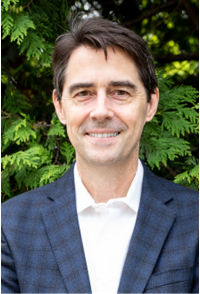
Andy Garman, PsyD
Professor – Department of Health Systems Management at Rush University College of Health Sciences

Nina Redl, MPH, BCC
Manager for Pastoral Care, Penn Presbyterian Medical Center
- Guest speakers: Spiritual‑care leaders and healthcare executives from across the nation
Program Format
The certificate comprises 65 contact hours and asks participants to set aside additional time each week for preparation and applied‑learning activities. This immersive design fosters a deep, practical understanding of both the theoretical and day‑to‑day aspects of spiritual‑care management and leadership.
Dates – 2026-2027 Cohort
| Kickoff Seminars (virtual) | Late September 2026 |
| Intersession Seminars & Practice Sessions (virtual) | Oct 10, 2026 – May, 2027, Virtually |
| Capstone Seminars (three days in person in Chicago) | Late May 2027 |
Audience
This certificate is designed for chaplains who already direct or manage spiritual‑care programs, or who are on track for such leadership roles within their organizations. Cohort size is limited to 30 participants.
Application
Please submit the following:
- A current resume or CV
- Please write a two-page statement of interest that MUST include the following:
- Why are you applying to this program? Please describe your specific reasons for applying to the Transforming Chaplaincy Certificate Program, highlighting your professional aspirations and how you envision the program advancing these goals.
- What managerial or other leadership knowledge, skills, and experience have you had in managing staff or leading teams? Describe at least one challenge you’ve faced in that role and how you navigated through it.
- What specific knowledge and skills do you hope to acquire through this program and how you hope or imaging these would fill current gaps in your expertise or augment your abilities as a leader? How might these new competencies benefit your organization?
- What gaps exist in the delivery of spiritual care within your workplace or the broader healthcare ecosystem? What is your vision for the role of spiritual care that might address these gaps?
- Please upload a letter of recommendation from your direct organizational leader/supervisor (the person to whom you report). If you do not currently have a direct supervisor, please obtain a reference letter from another leader in your organization who can provide the following information:
The recommendation letter should communicate support for your participation covering the following areas:
- What is their understanding of the reason(s) you are applying for this program? What are their supervisory goals for your participation?
- What is their commitment to your leadership development goals? Their answer must include their commitment to: a) release time to participate fully in all course activities;and b) a supportive organizational environment for engaging in your Applied Learning Project
Applications Open for 2026-2027
(decisions made in July)

Costs & Payment
- Program fee: $4,750 (includes textbooks, program materials, and meals during on‑site classes).
- Payment options:
- 100 % payment at registration or
- $1,500 deposit at registration + $3,250 balance due one month before the program starts.
- Participants cover their own transportation and lodging for the in‑person Capstone Seminar in Chicago.
Scholarships & Funding
Transforming Chaplaincy offers a limited number of partial tuition scholarships for applicants from under‑represented communities, safety‑net hospitals, under‑resourced departments, or those with significant financial hardship.
Applicants are also encouraged to explore funding through their departments, institutions, and chaplaincy organizations. Flexible payment plans are available.
Return on Investment
Investing in this program yields substantial benefits for both individuals and organizations. Participants gain skills and knowledge that enable them to adapt and thrive in the evolving landscape of healthcare spiritual care. The program also cultivates a community of practice, allowing participants to share experiences, learn from peers, and build a lasting professional network.
Questions? Please contact Nina Redl at nina.redl@pennmedicine.upenn.edu
Leave a Reply